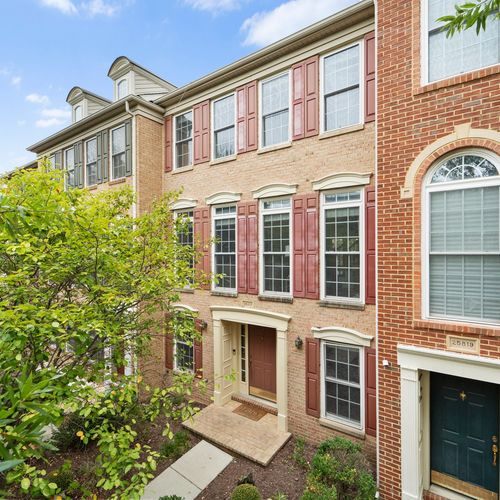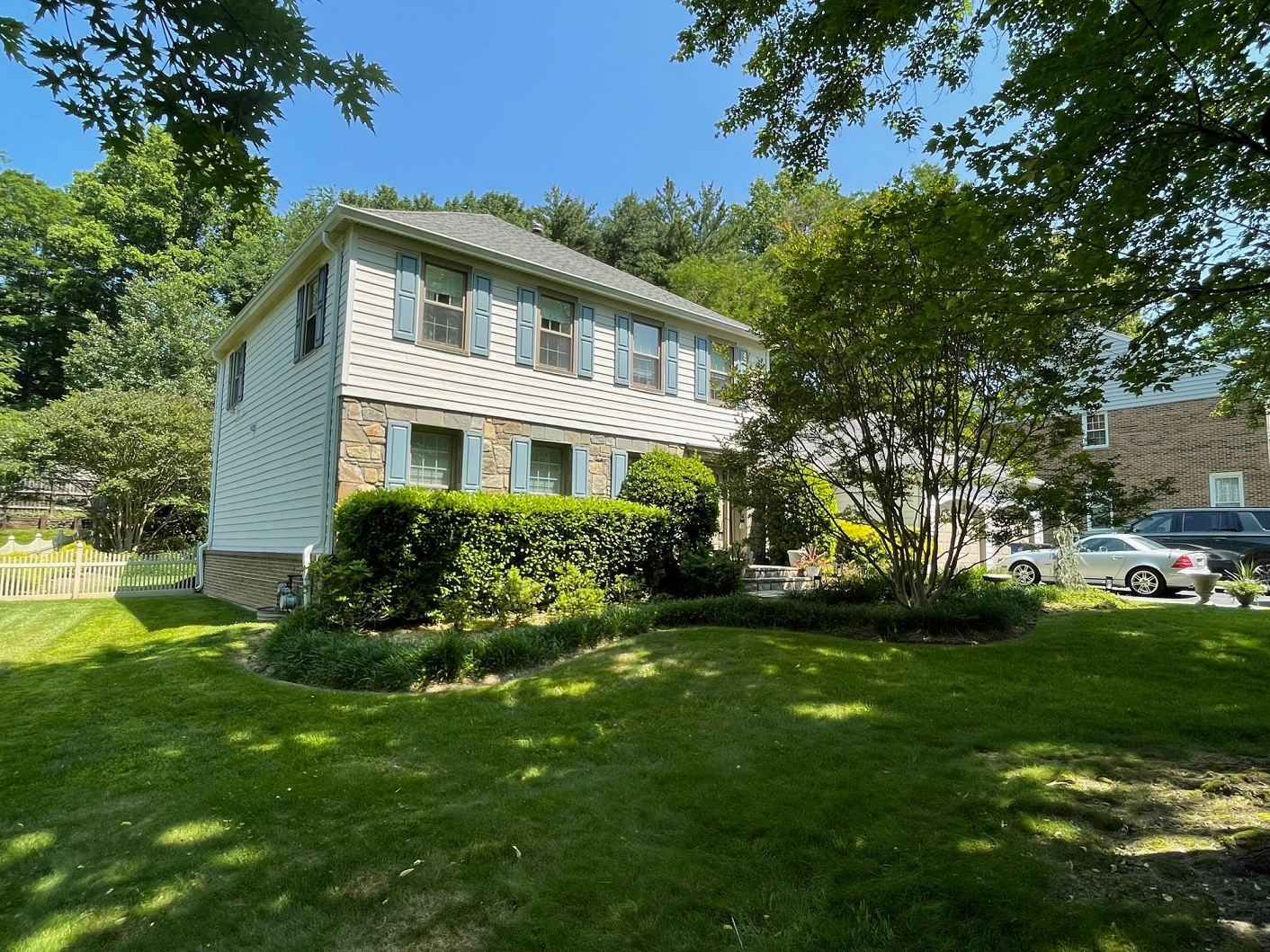
Buying your first home in Northern Virginia takes serious preparation, but it's absolutely doable. Median home prices hover around $755,000, while median household incomes range from $129,000 to $174,000 depending on the county. According to the Northern Virginia Regional Commission, you need a household income above $300,000 to afford the average single-family home here. The average income is about half that.
At ML Real Estate Group, we've helped hundreds of first-time buyers successfully purchase homes in Fairfax, Loudoun, and surrounding counties. The key is understanding your financing options, taking advantage of assistance programs, and working with a team that knows this market.
This guide covers everything you need to know: current market conditions, loan options, down payment assistance programs, and a step-by-step process to get you into your first home.
What the Northern Virginia Housing Market Looks Like Right Now
The numbers tell a clear story: this is a seller's market.
As of March 2025, Northern Virginia had only 1.45 months of housing inventory. A balanced market typically has 5-6 months. Homes sold in an average of 18 days. Prices increased roughly 3.5% year-over-year.
Limited supply and high demand mean competition remains fierce. Multiple-offer situations are common. First-time buyers often lose out to repeat buyers with larger down payments or all-cash offers.
Here's the breakdown of median household incomes by county, according to Federal Reserve data:
| County | Median Household Income (2023) |
|---|---|
| Loudoun | ~$174,000 |
| Fairfax | ~$141,000 |
| Arlington | ~$138,000 |
| Prince William | ~$129,000 |
These incomes fall far short of the $300,000+ needed to comfortably afford the average NOVA home. That gap explains why first-time buyers now represent only 21% of all home purchases nationally, down from much higher rates in previous decades. The National Association of Realtors reports the median age for first-time buyers has risen to 40.
Who Qualifies as a First-Time Buyer in Virginia
Virginia defines a first-time homebuyer as someone who hasn't owned a home in the past three years anywhere in the United States. Exceptions sometimes exist for displaced homemakers or certain veterans.
This definition matters because many assistance programs and favorable loan terms are reserved specifically for first-time buyers.
Mortgage Options for First-Time Buyers
Several loan types work well for first-time buyers in Northern Virginia. Each has different down payment requirements, credit score minimums, and eligibility criteria.
Conventional Loans
Conventional loans typically require a minimum 5% down payment and a credit score of at least 620. With 20% down, you avoid private mortgage insurance (PMI). Many first-time buyers put down 10% as a middle ground.
FHA Loans
The Federal Housing Administration backs these loans, allowing down payments as low as 3.5% with credit scores of 580 or higher. FHA loans work well for buyers with limited savings or less-than-perfect credit. However, you'll pay mortgage insurance for the life of the loan.
VA Loans
Veterans and active-duty service members can use VA loans with zero down payment and no PMI requirement. If you qualify, this is often the best option available.
USDA Loans
These loans apply to properties in designated rural areas and offer zero down payment for eligible buyers. Some outer areas of Prince William and Loudoun counties may qualify.
VHDA Loans
The Virginia Housing Development Authority offers competitive 30-year fixed-rate mortgages with lower credit requirements. Their "Plus Second Mortgage" program can cover your entire down payment when paired with an eligible first mortgage.
Down Payment Assistance Programs
One of the biggest hurdles for first-time buyers is saving enough for a down payment. On a $750,000 home, even 10% down means $75,000 in cash. Fortunately, several programs can help.
State Programs
Virginia Housing Down Payment Assistance Grant: This forgivable cash gift goes toward your down payment with no repayment required. You must be a first-time buyer working with an eligible lender.
HOMEownership DPA (DHCD): For buyers earning up to 80% of Area Median Income (AMI), this deferred second loan covers 10-15% of the sales price plus up to $2,500 in closing costs. Maximum assistance is $40,000. The loan is forgiven over time if you remain in the home.
Virginia Pilot DPA: Targets very low-income buyers (up to 60% AMI) with up to $50,000 in assistance.
Local County Programs
| County | Program | Income Limit | Benefit |
|---|---|---|---|
| Arlington | MIPAP | ≤80% AMI | 0% interest loan up to 25% of purchase price (max $112,000) for homes ≤$500,000 |
| Arlington | SPARC | ≤120% AMI | 1% interest rate reduction on first mortgage |
| Fairfax | First-Time Homebuyer Program | ≤70% AMI (~$114,750 for family of 4) |
Access to county-listed homes priced $95,000-$200,000, requires 2% down |
| Loudoun | DPCC | 30-70% AMI | Forgivable loan up to 10% of price (max $70,000) |
| Loudoun | DPCC Plus | 70-100% AMI | Forgivable loan up to 10% of price (max $70,000) |
| Loudoun | Public Employee Grant | ≤70% AMI | $25,000 forgivable loan for police, teachers, firefighters |
| Prince William | First-Time Homebuyers Program | ≤80% AMI | Deferred loan for down payment/closing costs |
These programs have limited funding and often operate on a first-come, first-served basis. Apply early when funds become available.
Tax Advantages for First-Time Buyers
Virginia First-Time Homebuyer Savings Plan
Virginia allows you to deposit up to $50,000 into a special savings account designated for your first home purchase. All earnings in that account, including interest and capital gains, are exempt from Virginia state income tax when used for closing costs or a down payment. This allows long-term, tax-free growth of your savings.
Proposed Federal Tax Credit
A federal $15,000 first-time buyer tax credit has been proposed but hasn't been enacted as of early 2025. Monitor legislation, but don't count on it when planning your purchase.
The Homebuyer Education Requirement
Most Virginia assistance programs require completion of a HUD-approved or VHDA homebuyer education course before you can access funds. The Fairfax County program specifically mandates the Virginia Housing Homebuyer Education Course.
These courses cover budgeting, the buying process, loan options, and homeowner responsibilities. Most are available online and many are free. Complete yours early in the process so you're ready when you find the right home.
How to Buy Your First Home in Northern Virginia: Step by Step
1. Get Your Finances in Order
Review your credit score, outstanding debts, and monthly expenses. Most lenders want to see credit scores of at least 620. Pay down credit card balances and avoid opening new accounts in the months before applying for a mortgage.
2. Determine Your Budget
A common guideline: keep your monthly mortgage payment below 28% of your gross monthly income. With NOVA prices, you may need to stretch that number. Run the numbers carefully before you start looking.
Use the affordability calculator to see how much house you can realistically afford based on your income, debts, and down payment.
3. Get Pre-Approved
A pre-approval letter from a lender shows sellers you're a serious buyer with verified financing. In competitive markets, offers without pre-approval rarely get considered.
4. Complete Homebuyer Education
Take a HUD-approved course. You'll receive a certificate required for most assistance programs.
5. Research and Apply for Assistance Programs
Based on your income and the county where you want to buy, identify which programs you qualify for. Apply early since many have limited funding.
6. Work with an Experienced Agent
Northern Virginia's market moves fast. You need someone who knows the neighborhoods, understands pricing, and can act quickly when the right home appears.
At ML Real Estate Group, our team specializes in helping first-time buyers throughout Fairfax, Loudoun, and Prince William counties. We've guided hundreds of buyers through this exact process, and many of our clients come back to us for their second and third homes years later. That's the kind of relationship we aim for.
7. Start House Hunting
Focus on properties within your pre-approved budget. Consider townhouses or condos as more affordable entry points, but factor HOA fees into your monthly calculations. Be ready to move quickly when you find something you like.
Use our home finder tool to search current listings and set up alerts for new properties matching your criteria.
8. Make a Strong Offer
In competitive situations, you may need to offer at or above asking price. A larger earnest money deposit and your pre-approval letter strengthen your position. Your agent can advise on strategy based on current market conditions and the specific property.
9. Navigate Inspections and Appraisals
Once your offer is accepted, schedule a home inspection to identify any issues. The appraisal confirms the home's value for your lender. Your agent and lender will guide you through any negotiations that result from these steps.
10. Close on Your New Home
Review all closing costs carefully: lender fees, title insurance, property taxes, and transfer fees. Some assistance programs help cover closing costs. After signing, you'll receive the keys to your first home.
Common Mistakes First-Time Buyers Make
Waiting to get pre-approved. In a market where homes sell in 18 days, you can't afford to start the financing process after you've found a home you love.
Skipping the inspection. Even in competitive situations, the inspection protects you from expensive surprises. We've seen new construction homes with 35 issues discovered during pre-drywall inspection. Better to know before you close.
Ignoring assistance programs. Free money exists. The application process takes effort, but $25,000 to $70,000 in down payment assistance can make homeownership possible years earlier than you expected.
Underestimating total costs. Your monthly payment includes more than principal and interest. Budget for property taxes, homeowner's insurance, HOA fees if applicable, and maintenance. A good rule: set aside 1-2% of your home's value annually for repairs and upkeep.
Questions First-Time Buyers Ask
How much do I need for a down payment? That depends on your loan type. VA and USDA loans allow zero down. FHA loans require 3.5% down. Conventional loans typically require 5-20% down. On a $500,000 home, that ranges from $0 to $100,000. Use the mortgage calculator to see how different down payment amounts affect your monthly payment.
What credit score do I need? Most programs require at least 620. FHA loans may accept scores as low as 580 with the 3.5% down payment. Higher scores get better interest rates.
Can I buy a home if I have student loan debt? Yes. Lenders look at your debt-to-income ratio rather than the total debt amount. You can still qualify with student loans if your income supports the combined payments.
How long does the process take? From pre-approval to closing typically takes 30-60 days once you've found a home. The pre-approval process itself takes a few days to a couple of weeks depending on your financial situation.
Should I buy a condo or single-family home? Condos and townhouses often provide a more affordable entry point in NOVA. Single-family homes typically appreciate faster but cost more upfront. Consider your timeline, budget, and lifestyle needs.
Your Next Step
Buying your first home in Northern Virginia is challenging but absolutely achievable with the right preparation and guidance. Understanding your financing options, taking advantage of assistance programs, and working with experienced professionals makes the difference between frustration and success.
Ready to start your home search? Contact ML Real Estate Group at (571) 357-0695 or email [email protected] to schedule a free consultation. Our team will walk you through your options and help you create a plan to get into your first home.
Check out this article next